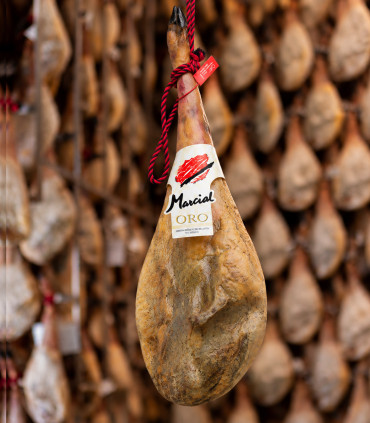
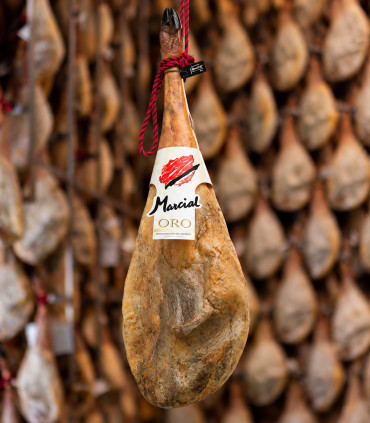
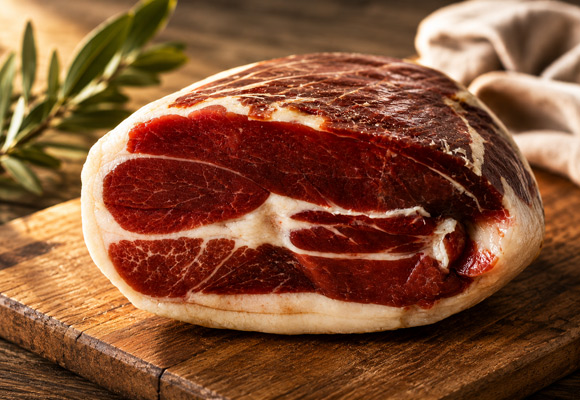
What is acorn-fed Iberian ham?
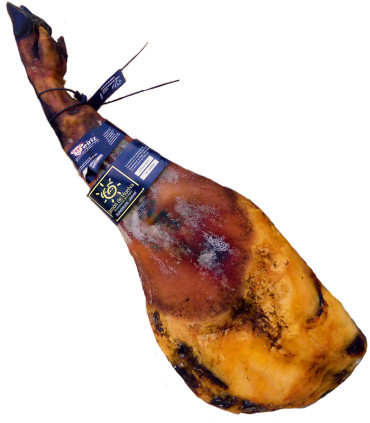
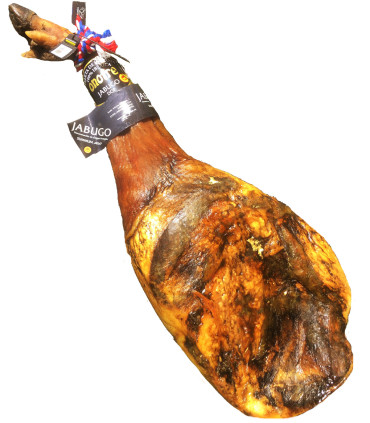
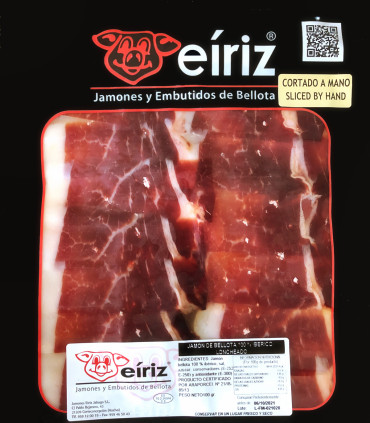
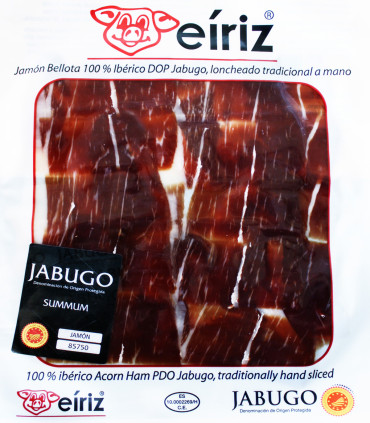
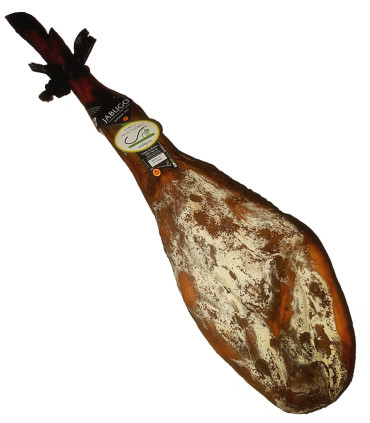
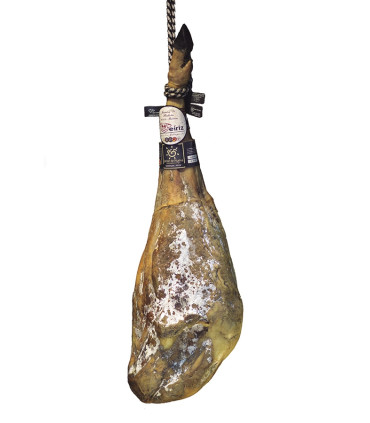
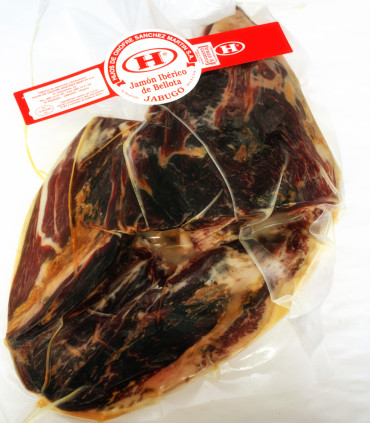
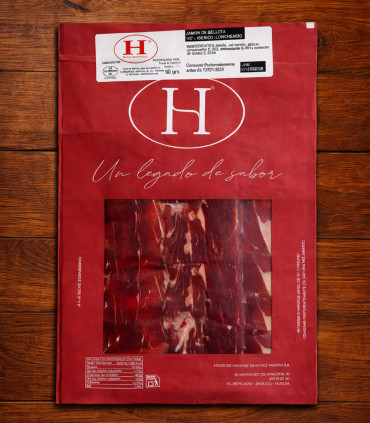
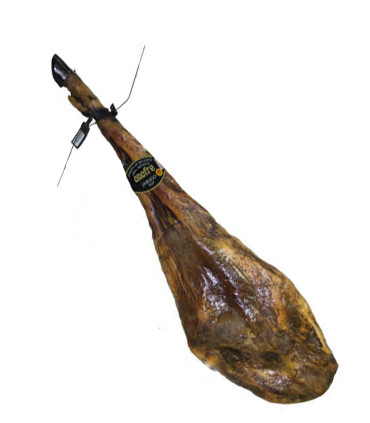
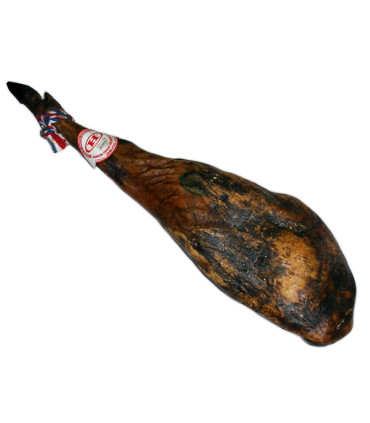
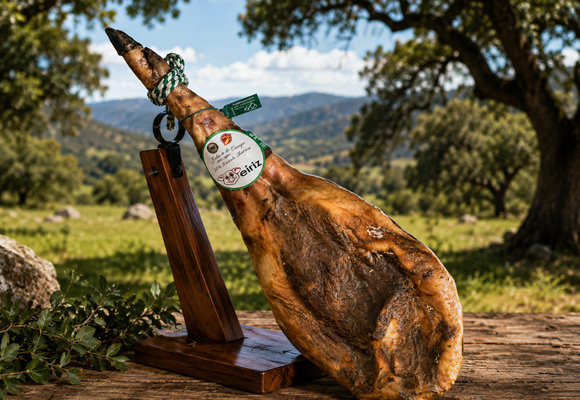
Acorn-fed Iberian ham is the most prestigious category of Spanish Iberian ham. It is produced from Iberian pigs raised in semi-freedom on vast wooded grazing lands known as dehesas, located mainly in Andalusia, Extremadura and the Salamanca region.
The uniqueness of these animals lies in their diet during the period known as the montanera. Between autumn and winter, the pigs roam freely through the dehesas and feed mainly on acorns from holm oaks and cork oaks. This natural diet contributes directly to the exceptional quality of the meat and the delicate fat that characterize acorn-fed Iberian ham.
Why are acorns so important?
Acorns play a key role in the unique flavor profile of Iberian Bellota ham. Rich in unsaturated fatty acids, they promote the development of particularly smooth fat that infiltrates the animal's muscles.
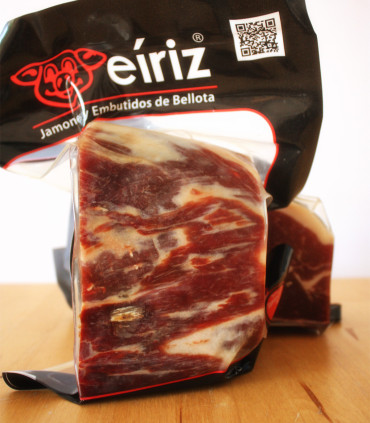
This natural marbling results in a highly streaked ham with a silky texture and complex aromas. Notes of nuts, hazelnut and woodland are among the characteristics most appreciated by lovers of Iberian Bellota ham.
A unique breed: the Iberian pig
Bellota ham comes from Iberian pigs, an ancient breed native to the Iberian Peninsula and renowned for its exceptional ability to develop intramuscular fat. This genetic characteristic clearly distinguishes Iberian pigs from the white breeds used to produce Serrano ham.
Depending on the product, the pigs may be 100% Iberian or the result of authorized crossbreeding. Hams bearing the designation "100% Iberian Bellota" represent the highest level of quality recognized by Spanish regulations.
Aging over several years
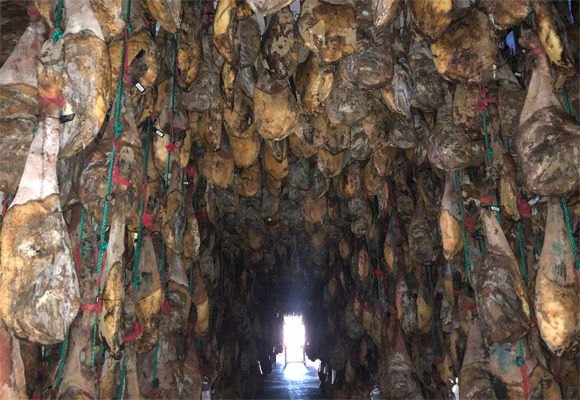
After salting and a resting period, the hams are slowly aged in natural drying rooms and then in maturation cellars. This process generally lasts between 36 and 48 months, and sometimes even longer for exceptional pieces.
Over time, the texture becomes increasingly tender while the aromas gain depth and complexity. This lengthy aging process is one of the keys to the outstanding quality of Iberian Bellota ham.
What is the difference between Bellota ham and Serrano ham?
Serrano ham and Iberian Bellota ham are two iconic products of Spanish gastronomy, yet they have very different characteristics. Serrano ham is made from white-breed pigs and offers milder, more accessible flavors.
Iberian Bellota ham, on the other hand, comes from Iberian pigs raised free-range and fed on acorns. Its richer marbling, melt-in-the-mouth texture and aromatic complexity give it a unique character that makes it a highly sought-after delicacy around the world.
How should Iberian Bellota ham be enjoyed?
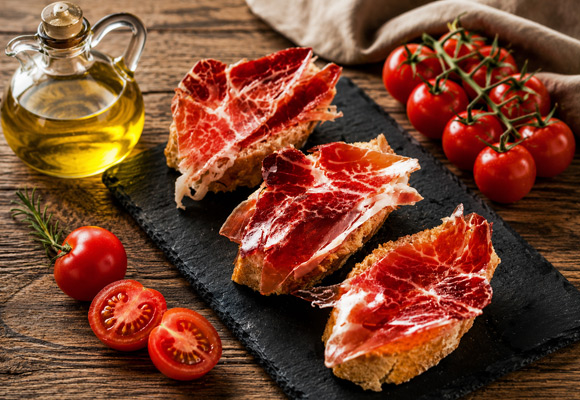
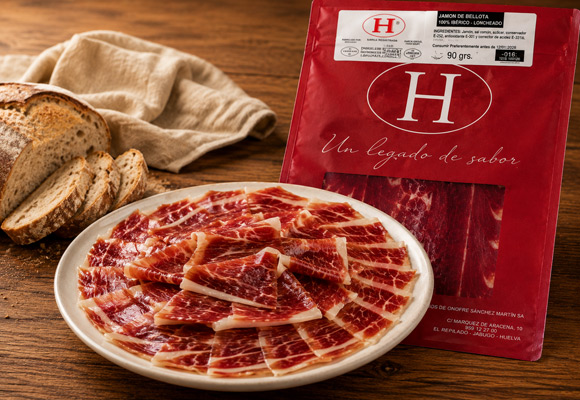
To fully appreciate its qualities, Iberian Bellota ham should be served at room temperature. The slices should be cut very thinly so that the fat can soften slightly and release its full aromatic palette.
Served on its own, accompanied by quality bread or a glass of Spanish wine, it reveals the full richness of its aging process. Its long finish and the complexity of its flavors make it a truly unique gastronomic experience.
Other types and cuts of Spanish ham
 en
en
 fr
fr es
es